
Harvard Law dropout raises $6M for Blue Voice to build a ‘Harvey for police officers’
Blue Voice is trained on department-specific laws, local ordinances, protocols, and guidelines that general-purpose AI tools can't access on the public internet.

Nvidia’s $3.5B MediaTek bet reveals its plan for tackling Big Tech’s AI chip buildout
Nvidia invests $3.5 billion into Taiwanese chipmaker MediaTek. The deal shows how Nvidia plans to stay essential to AI infrastructure as Big Tech begins to build its own AI chips.

5 ways I actually use ChatGPT Work in my small business to save time and money
From scanning Gmail to catching ugly loan terms, ChatGPT Work has become my practical small-business assistant. Here's how agentic AI delivers real productivity gains for me.
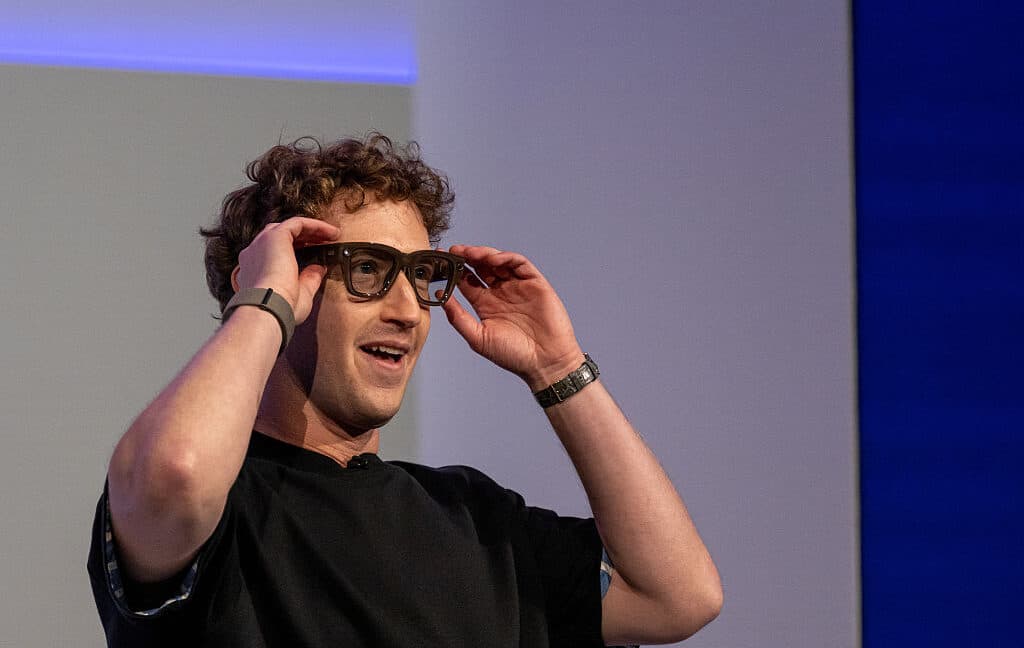
Meta makes AI glasses slightly less creepy with limit on nonconsensual recording
Meta fixes AI glasses to stop recording any time users cover up the safety light.

Caterpillar is bringing to AI deployment what it learned from automating mining
Caterpillar has spent decades putting autonomous machines to work at remote mining sites. It's now bringing that experience to AI deployment.

Report: Nvidia to acquire AI model repository Hugging Face for $13 billion
Nvidia is nabbing critical infrastructure for open models as interest grows.
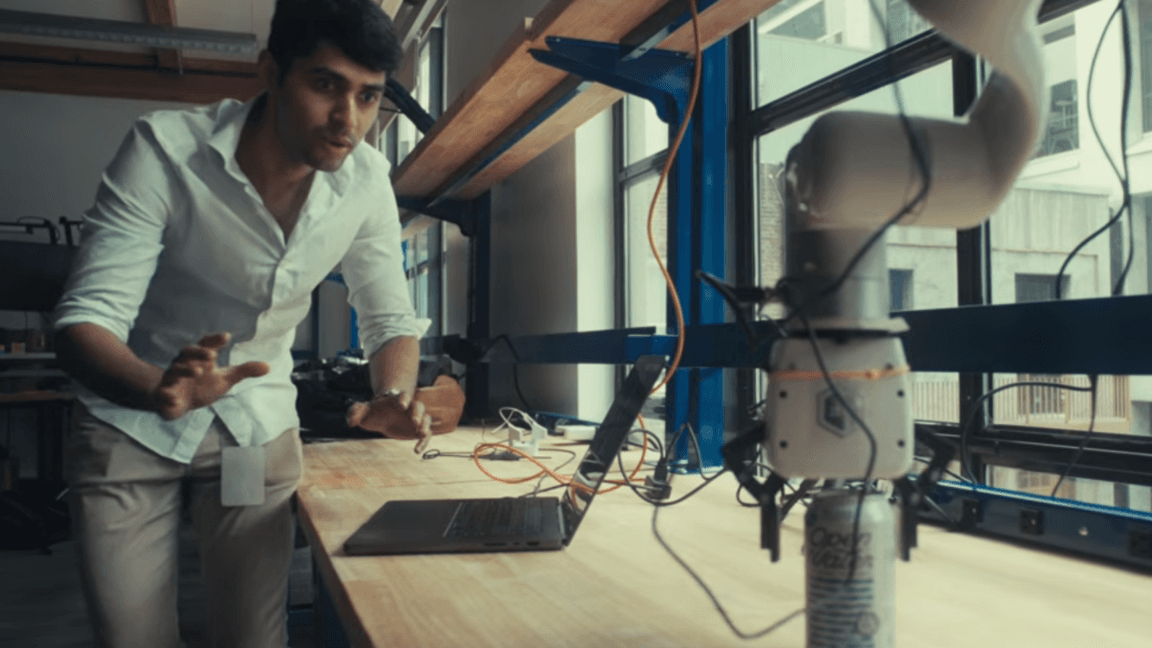
Anthropic's new hardware standard lets AI agents control the physical world
Standardized driver interface aims to let devices talk to AI and each other.

Sony Music, Warner sue Anthropic, alleging a “brazen campaign” of intellectual property theft
This latest lawsuit is particularly broad and homes in on accusations of illegal piracy.

Sony Music and Warner Chappell are suing Anthropic
Sony Music and Warner Chappell have filed suit against Anthropic in the US District Court for the Northern District of California seeking damages for "tens of thousands" copyrighted works. The companies are asking for up to $150,000 per work, plus up to $25,000 for each instance

“We’re not doing 30 bets a year”: Vijay Pande on betting small after running $4 billion at a16z
Vijay Pande — who left a16z's roughly $4 billion biotech practice last year to start the much smaller, AI-native VZVC — talks about why biology is finally shifting from a "discovery" science to an "engineering" one, why clinical trials are still brutally expensive, and why he thi

Nvidia’s AI advantage is moving beyond the GPU
The new generation of data center systems is increasing efficiency with smarter traffic control instead of just more processor cycles.

Open-weight AI companies are the Valley’s hottest acquisition targets
There's a lot of capital pouring into the business of giving models away.